The Current: October 19
A weekly selection shaping the former comet universe

Hello friends,
Thank you for reading The Current this week. Today I’ve curated a selection of balms for Western nihilism through kinetic art, sogetsu ikebana, buddhist chants, and explorations of the self through anime and surreal digital landscapes.
The Object →
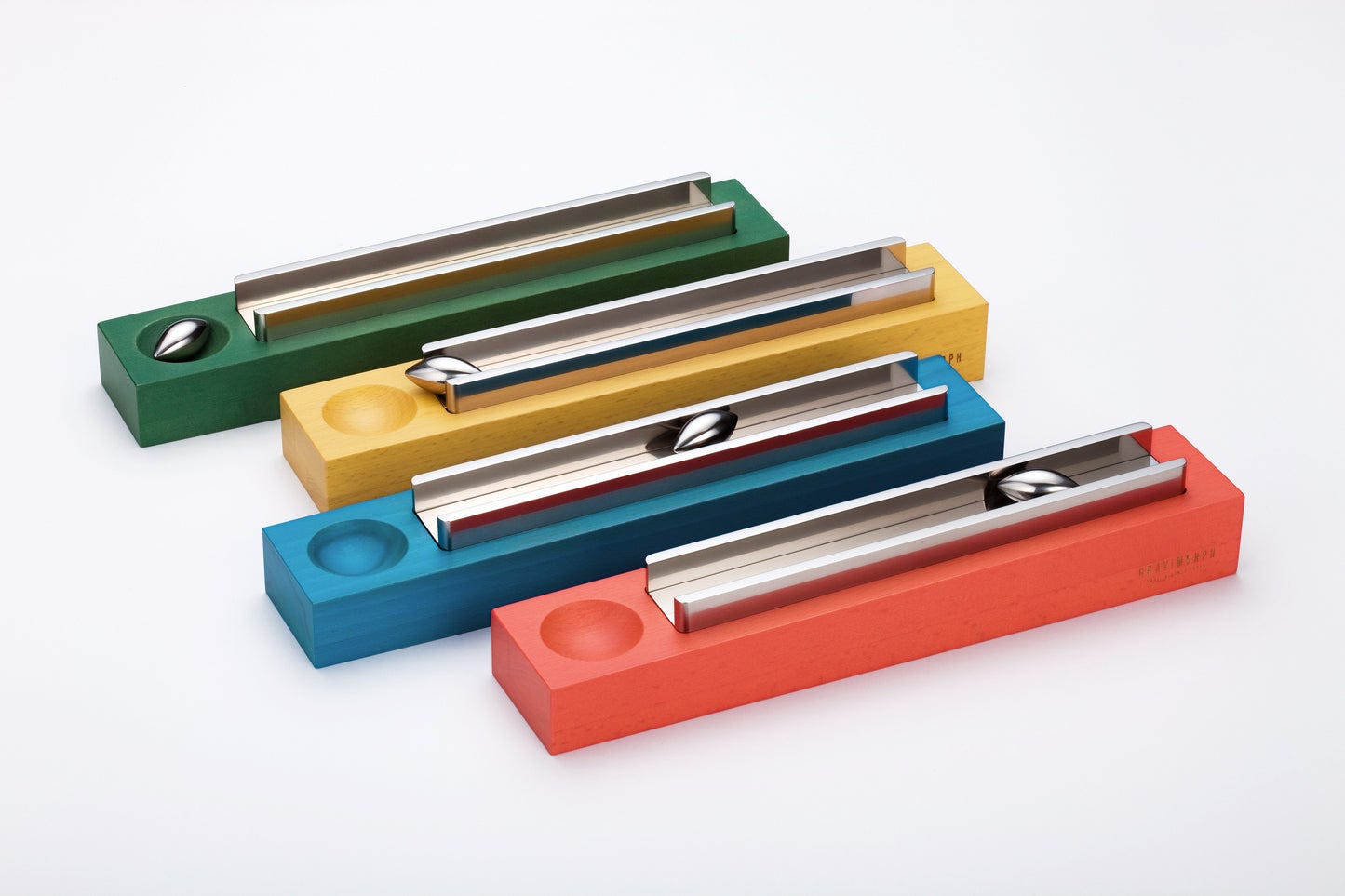
Gravimorph. Last weekend, I visited Made in Tsubamesanjo, a fair showcasing metal objects made by artisans of Tsubamesanjo, in Niigata, Japan. I ended up purchasing a nail file (from a family that has been making nail files for over 100 years), and this clever grater that curls around your palm. But what enchanted me most was the Gravimorph, a kinetic art object that sets a spindle shaped metal object rolling in a random pattern down a track, creating delicate sounds on the way down. I love that it’s solely an art object with no other purpose than to be enjoyed.
To See →
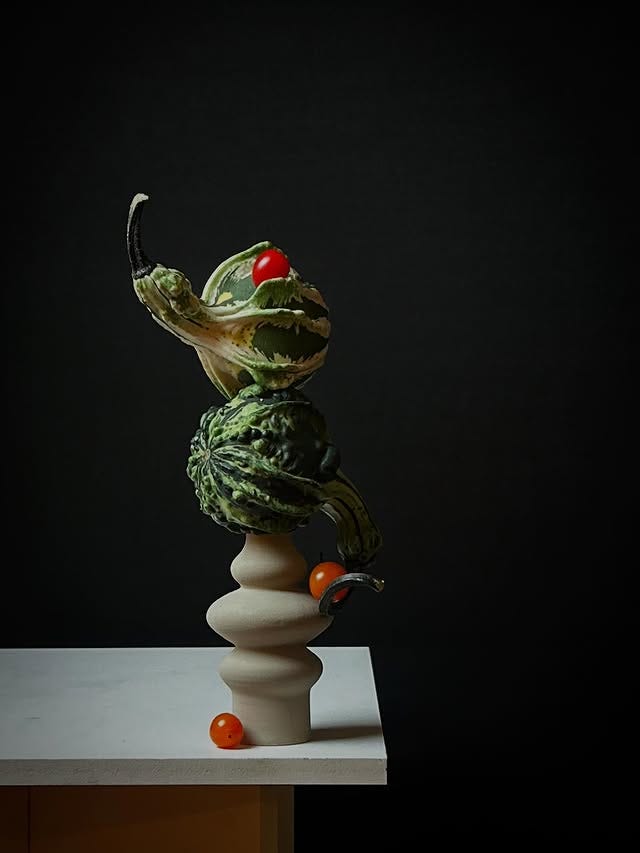
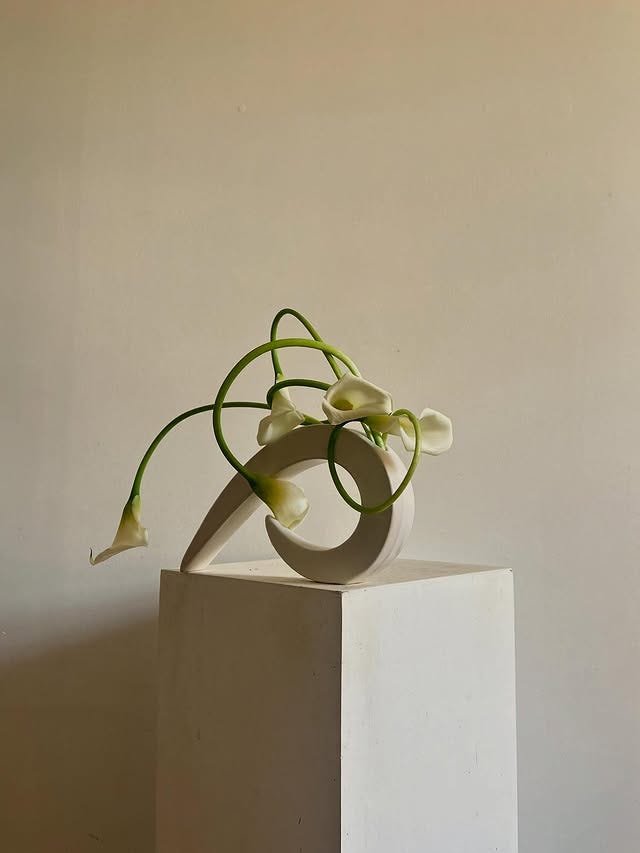
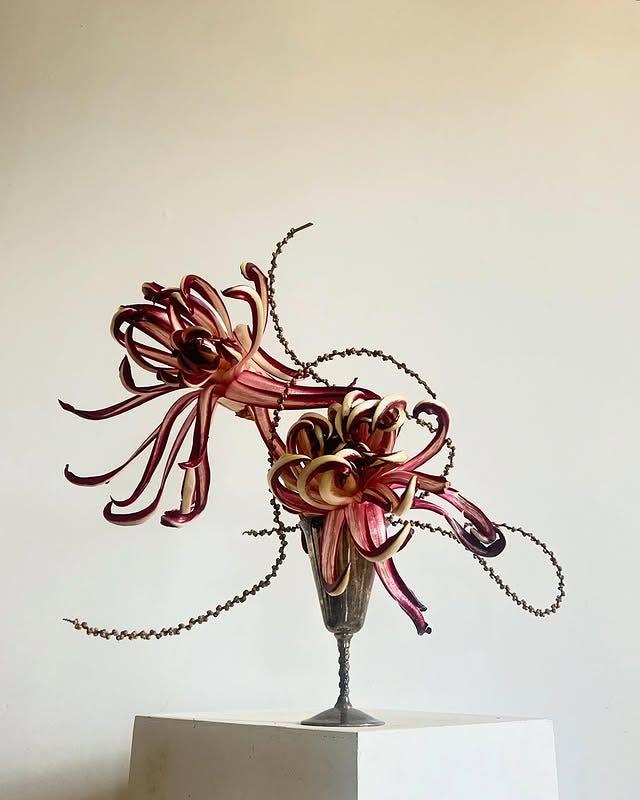
The works of Sogetsu master Ayako Shida of Ikebana Suiryu in Brooklyn need no explanation, just appreciation.
To Read →
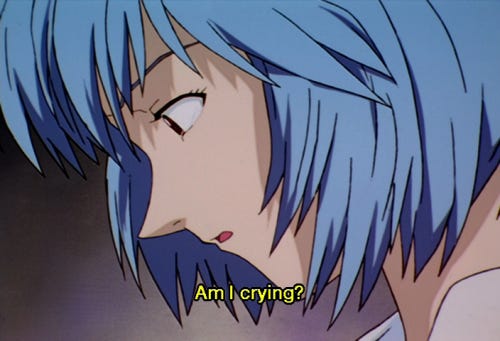
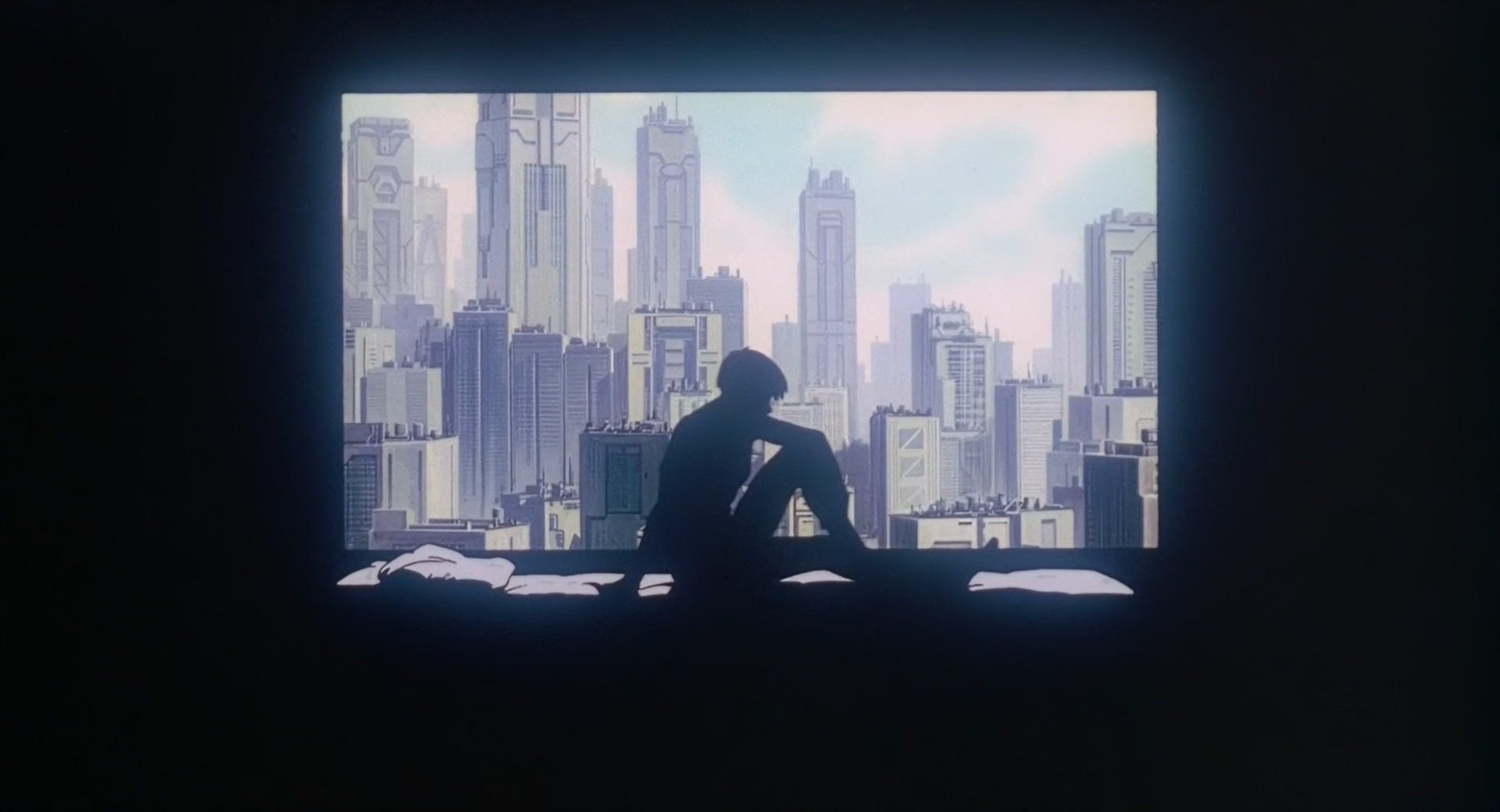
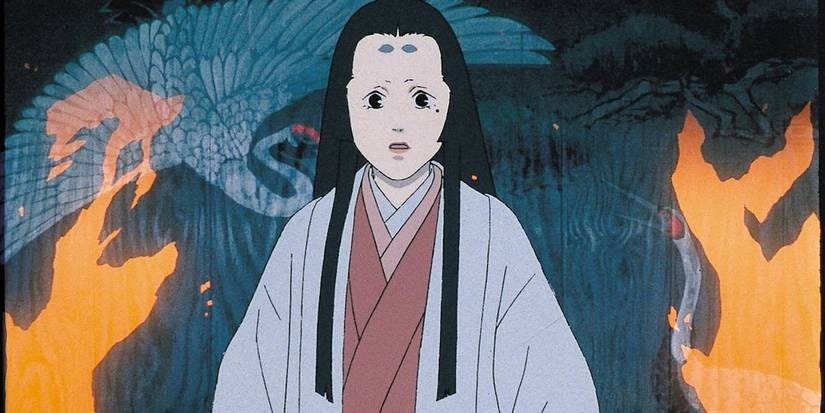
Anime is the philosophical medium of our time by Mike Benett for IAI
Philosopher Mike Benett argues that anime’s distinctive style and narrative structure serve as a profound philosophical inquiry into the nature of selfhood. Drawing on examples like Ghost in the Shell, Millennium Actress, and Neon Genesis Evangelion, Benett posits that anime moves beyond traditional Western metaphysics of a fixed self. Instead, influenced by human experience (phenomenology) and Japanese traditions like Buddhism, it depicts identity as unstable, fragmented, and fluid; a “posthuman construction” defined by memory, technology, and trauma. He argues that anime resonates in the modern age because of its unwillingness to commit to Western narrative rules like resolution, instead offering a space to experience and reflect on the complex, often contradictory, question of what it means to be human.
What unites these works is a refusal of traditional Western metaphysics. There is no soul, no divine logos, no Cartesian cogito. Instead, anime draws from a different set of philosophical assumptions, ones shaped by Japanese traditions that emphasize immanence, impermanence, and relational identity. In Buddhist and Shinto cosmologies, the self is not a fixed, isolated entity, but something that arises in context and is always in flux.
Anime makes this ontology visible. Identity is fragmented, performative, unstable, and yet profoundly human. In doing so, it speaks powerfully to Western audiences increasingly alienated from inherited narratives of meaning. As Christopher Bolton writes, anime “places the viewer in a space between identification and distance, immersion and critical awareness” (Interpreting Anime). This double vision is not just stylistic, it’s philosophical. It teaches us to live with contradiction.
To Listen →
Artist Lu Yang is doing some of our era’s most interesting work in art, technology, and philosophy. For NTS’ Don’t Assume Day, they created a mind-bending and relaxing mix of original compositions, Buddhist chants, and AI-generated music that are as appropriate for dance as they are for meditation. More on Lu Yang below:
The Idea →
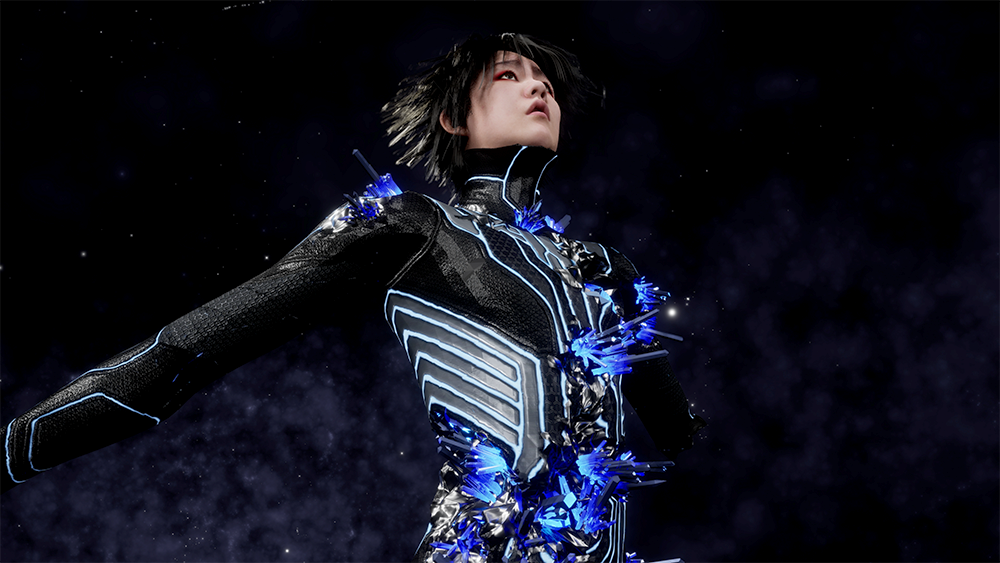
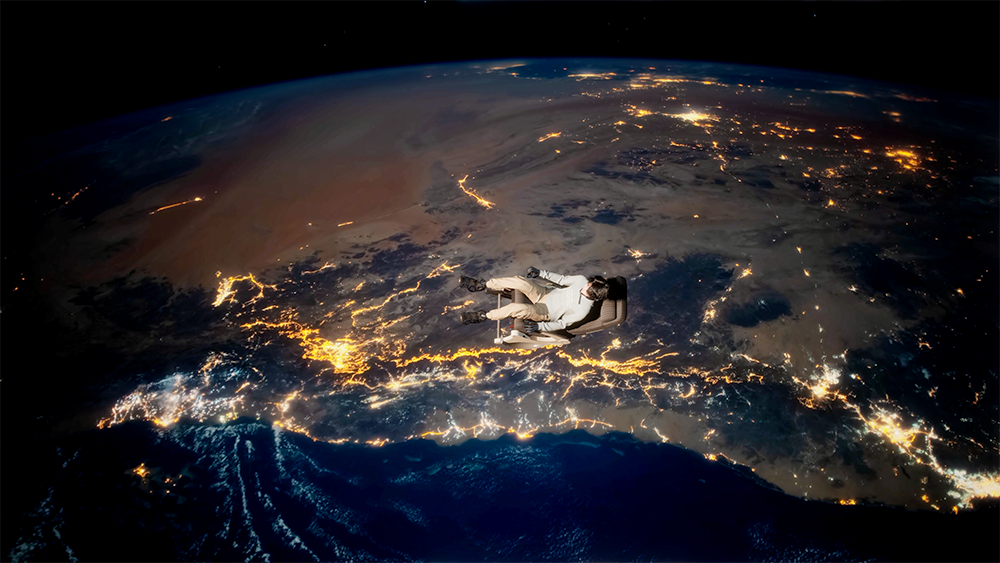
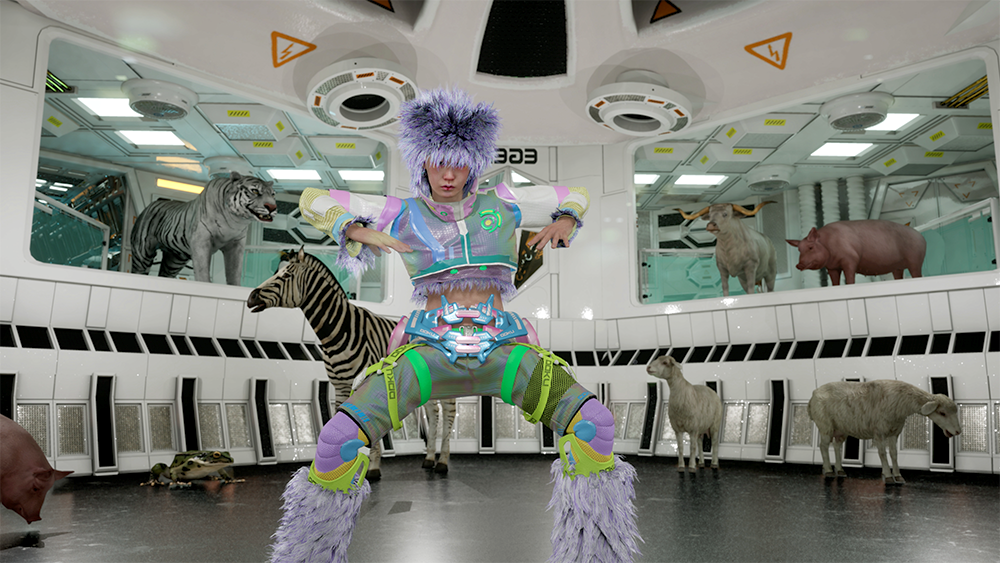
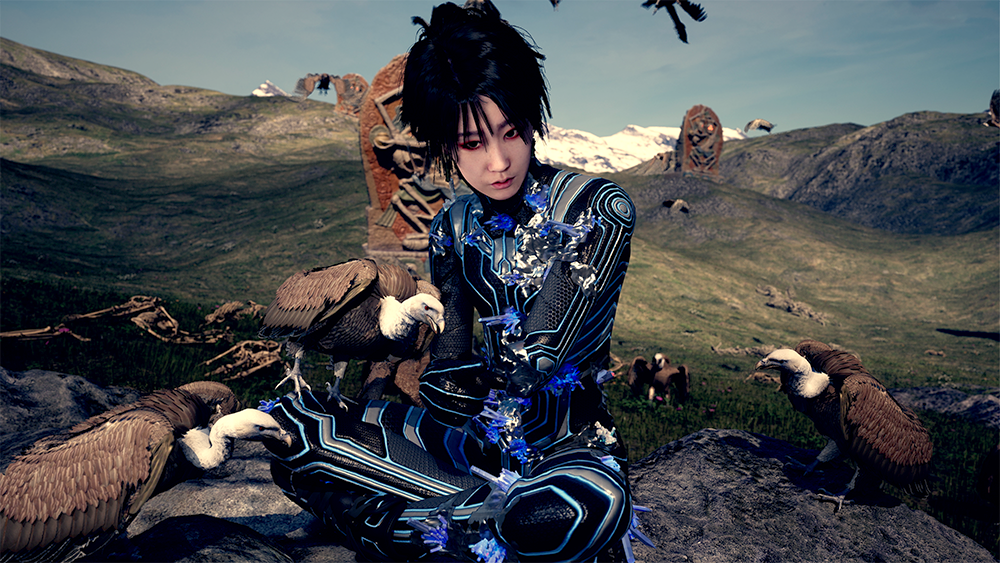
Lu Yang explores Buddhist concepts and philosophies through AI, video game engines and their hyperrealistic avatar, Doku, with whom they share a face.
A great entry point to their work is the video DOKU the Self, which explores the ways we contextualize ‘the self’ through a surreal video game-like dreamscape of music, dance, and philosophical examination.
Atop a mountain, Doku loses an arm, then poses the question: “I lost my arm, so does that mean that I lost part of ‘the self’? Will a part of ‘the self’ leave with my fallen arm? The arm left me in its physical form, but I can feel its existence, so this part of ‘the self’ in my arm did not collapse due to the disintegration of the physical form?”
In January this year, our dog also lost an arm, which was traumatic for all of us. When I watched DOKU the Self at the Mori Art Museum in March, it was still raw and watching this scene I couldn’t help thinking of Red and whether he still felt the existence of his arm.
I still feel the existence of parts of myself I’ve lost, of people I’ve lost. Through Doku’s logic, I dared allow myself the thought that perhaps the destruction of the physical cannot destroy the universal. Perhaps there is more to us than ourselves.
As if in response, onscreen, Doku said, ‘Do not think of death from the perspective of life’.